




How to Choose the Right Ceiling for Your Commercial Project
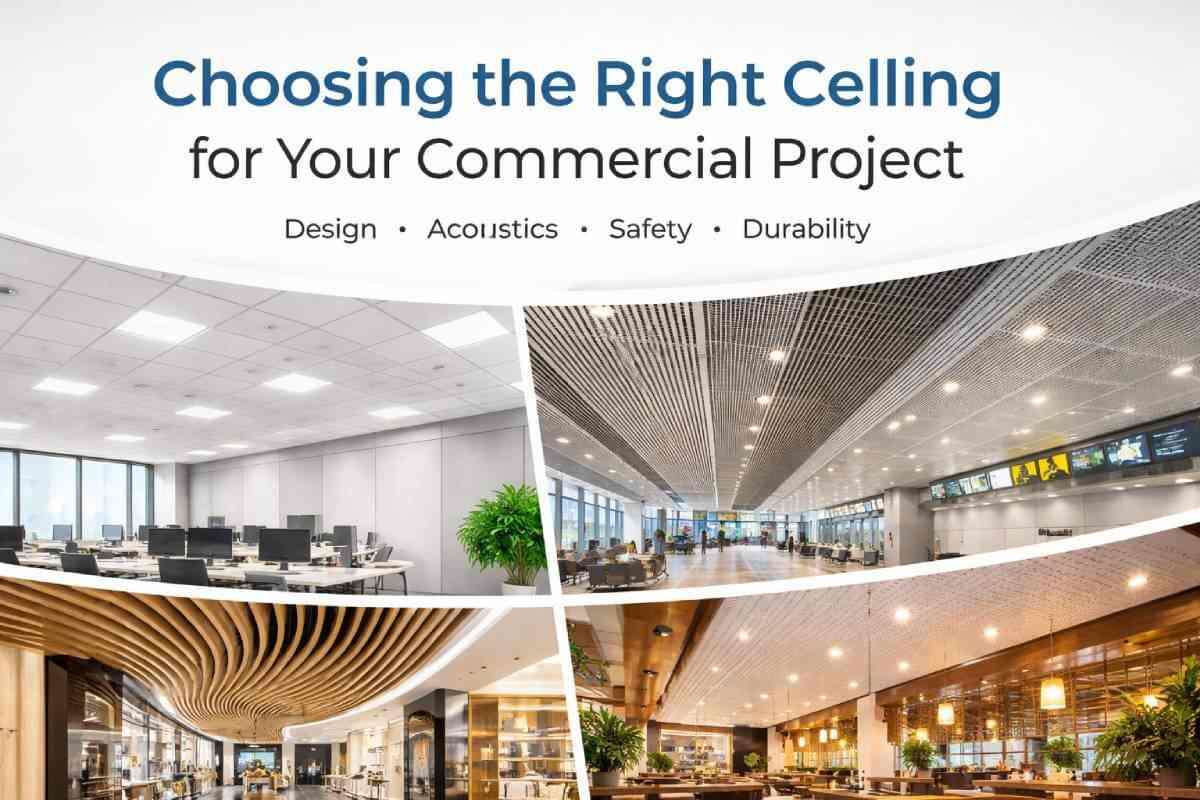
Ceilings play a crucial role in any commercial space, far beyond just providing shelter from above. They impact aesthetics, acoustics, fire safety, lighting, and overall functionality. Whether you are designing an office, airport, metro station, retail store, or hotel, choosing the right ceiling is essential for creating a professional and comfortable environment.
The wrong choice can lead to poor sound quality, maintenance issues, safety concerns, and higher long-term costs, while the right ceiling can enhance the space’s appearance, improve productivity, and meet regulatory standards. This guide will help you make informed decisions when selecting ceilings for your commercial projects.
1. Factors to Consider When Choosing a Commercial Ceiling
1.1 Purpose of the Space
The function of your commercial space directly influences ceiling selection:
- Offices: Acoustic performance is critical. Open-plan offices require sound-absorbing ceilings to reduce noise and improve productivity.
- Retail Stores: Aesthetic appeal and lighting integration are important. Aluminum or decorative ceilings can create a modern, high-end look.
- Airports & Metro Stations: Durability, fire resistance, and low maintenance are essential. Metal strip or perforated ceilings are ideal for high-traffic areas.
- Restaurants & Cafes: Both acoustics and aesthetics matter. Perforated acoustic ceilings can enhance customer experience while maintaining style.
Choosing a ceiling that aligns with the purpose ensures it performs effectively and complements the overall interior design.
1.2 Material Options
Commercial ceilings come in a variety of materials, each with unique advantages:
- Aluminum Ceilings: Lightweight, durable, corrosion-resistant, and fireproof. Excellent for airports, metro stations, offices, and public buildings. Can be shaped into strips, U/C/S-planks, or custom designs.
- Metal Ceilings: Strong and versatile, often used in high-traffic or industrial spaces. Can be perforated for acoustic control.
- PVC Ceilings: Cost-effective, moisture-resistant, and easy to maintain. Suitable for restaurants, washrooms, or small commercial spaces.
- Gypsum Ceilings: Offers smooth finish and design flexibility. Ideal for offices and hotels, but less durable in high-moisture areas.
Tip: Always match the material choice with durability, maintenance, and safety requirements of the project.
1.3 Acoustic and Sound Management Needs
Noise control is a critical factor in many commercial projects:
- Acoustic Ceilings: Reduce echo and background noise, enhancing comfort in offices, auditoriums, and restaurants.
- Perforated Ceilings: Allow sound absorption while maintaining an open, modern look.
- Integrated Acoustic Panels: Some aluminum ceilings can be combined with sound-absorbing layers for better performance.
Selecting ceilings with proper acoustic performance improves employee productivity and customer satisfaction.
1.4 Fire Safety and Compliance
Commercial buildings must comply with fire safety standards. Key considerations:
- Fire-Resistant Materials: Aluminum, metal, and specialized gypsum panels provide higher fire resistance.
- Regulatory Compliance: Ensure ceilings meet local fire codes and building regulations, especially in airports, hotels, and public facilities.
A ceiling that meets safety standards not only protects property but also ensures legal compliance and peace of mind.
1.5 Budget and Maintenance
Budget and long-term maintenance are crucial factors in ceiling selection:
- Cost Considerations: Material, installation, and customization can affect upfront costs. Aluminum and metal ceilings may cost more initially but last longer.
- Maintenance: Choose materials that are easy to clean and maintain. Perforated and acoustic ceilings may require occasional dusting, while metal and aluminum panels are highly durable.
- Longevity: Investing in a high-quality ceiling can reduce replacement costs and operational disruptions over time.
Pro Tip: Consider total cost of ownership, not just installation cost.
2. Types of Commercial Ceilings
Commercial projects often require a mix of functionality, aesthetics, and durability. Here are the main types:
- Suspended / Drop Ceilings
- Provide easy access to ducts, wiring, and HVAC systems.
- Suitable for offices, hotels, and classrooms.
- Perforated Acoustic Ceilings
- Ideal for noise reduction in open spaces.
- Can be installed in offices, restaurants, auditoriums.
- Aluminum / Metal Ceilings
- Durable, fireproof, and low maintenance.
- Great for airports, metro stations, gas stations, and commercial halls.
- Strip / Linear Ceilings
- Decorative, modern look, easy to customize shapes and colors.
- Works in offices, hotels, and retail stores.
- Exterior Wall & Ceiling Panels
- Used for facades or large open spaces.
- Aluminum panels provide durability and aesthetic appeal.
3. Design Considerations
When selecting a ceiling for a commercial project, design plays a key role alongside functionality. A well-designed ceiling not only enhances the visual appeal of a space but also supports lighting, acoustics, and overall spatial harmony. Careful design choices help create a professional environment that aligns with the brand identity and purpose of the space.
- Aesthetics: The choice of color, surface finish, and ceiling pattern significantly impacts the overall look of a commercial interior. Proper integration with lighting elements further enhances visual appeal and creates a cohesive design.
- Custom Designs: Curved, geometric, or custom-designed ceilings can be used to create distinctive and memorable interiors, especially in high-end commercial projects such as airports, hotels, and corporate spaces.
- Lighting Integration: Suspended and strip ceiling systems allow for seamless integration of recessed or indirect lighting, helping to improve brightness, ambiance, and energy efficiency without compromising design.
A ceiling should balance functionality with design, contributing to a professional and visually appealing commercial space.
4. Choosing a Reliable Supplier
Selecting a trusted ceiling supplier ensures quality, customization, and timely delivery:
- Look for wide product range including perforated, acoustic, aluminum, and strip ceilings.
- Check if supplier provides custom designs and bulk supply.
- Evaluate installation support and technical guidance.
Season Ceiling, for example, offers a comprehensive range of ceilings and panels suitable for offices, airports, metro stations, and retail spaces. Their products meet B2B requirements, including customization, durability, and compliance with commercial standards.
5. Conclusion
Choosing the right ceiling for a commercial project is more than just picking a material. It involves considering space purpose, materials, acoustics, safety, design, budget, and maintenance.
A well-chosen ceiling:
- Enhances aesthetic appeal
- Improves acoustic performance
- Ensures fire safety and regulatory compliance
- Reduces long-term maintenance and replacement costs
By consulting experienced suppliers and understanding project-specific requirements, commercial buyers can make informed decisions and create functional, safe, and visually appealing spaces.
Featured Articles
Choosing the right ceiling for a big building is a very important task. Many builders and business
READ FULLFinding the right wholesale exterior wall panel sup
READ FULLCeilings play a crucial role in any commercial space, far beyond just providing shelter from above.
READ FULL