




Complete Guide to Sourcing Drop Ceiling Systems for Commercial Projects
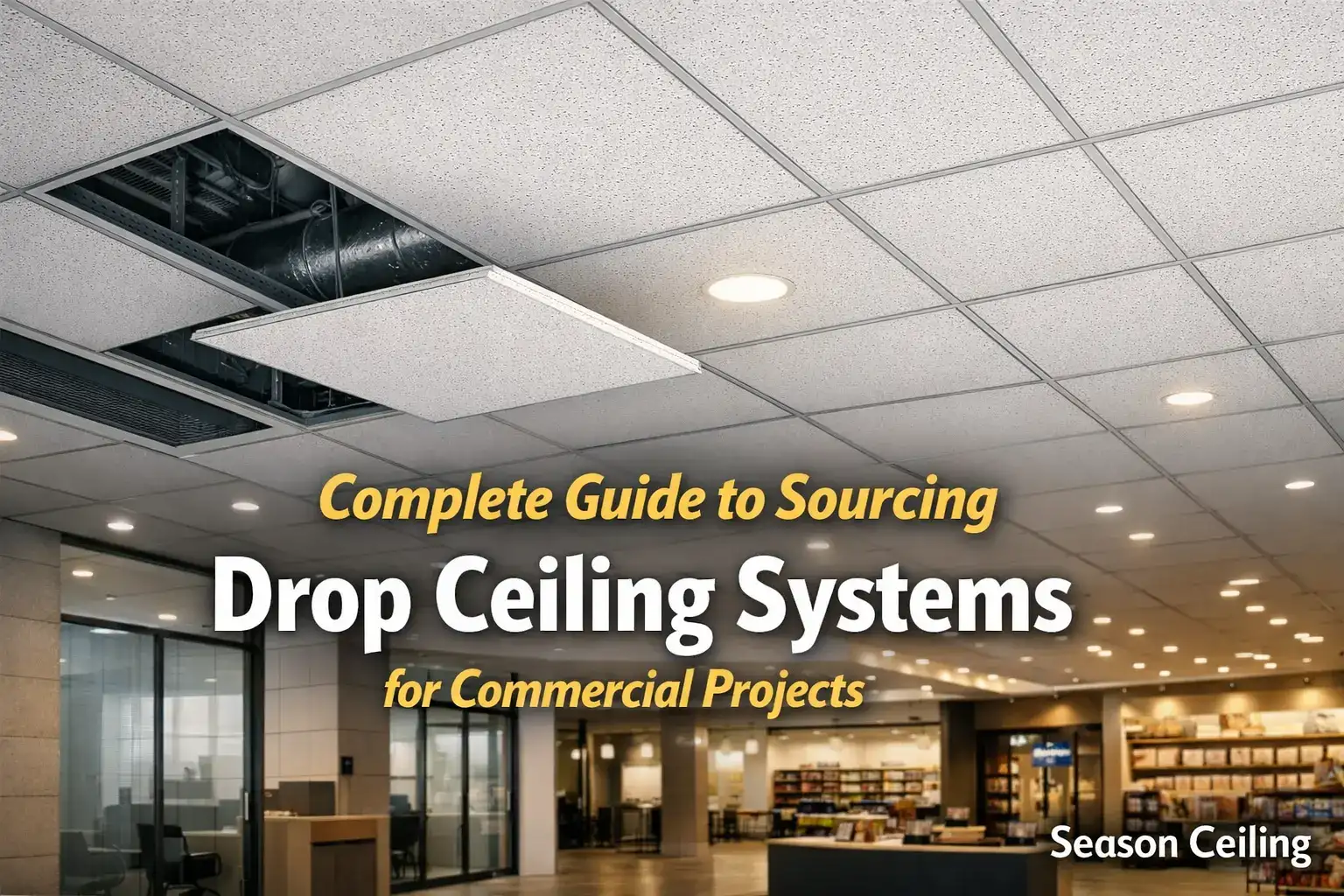
Choosing the right ceiling for a big building is a very important task. Many builders and business owners prefer a Wholesale Drop Ceiling solution because it is practical and looks clean. A drop ceiling, also known as a suspended ceiling, sits below the main structural ceiling of a room. This guide will help you understand every single detail about these systems. We will talk about why people use them, the different materials available, and how to buy them in bulk for large projects. If you are working on an office, a school, or a big store, this information will be very helpful.
We focus on real facts and clear steps to make your sourcing journey easy. From the metal grids to the soft tiles, every part plays a role in how a room feels and sounds. This complete guide covers everything from the basic parts to the final shipping process for international buyers. It is written to help you make a smart choice for your next large construction job without any confusion.
Understanding Drop Ceiling Systems
A drop ceiling system is a very smart invention for modern buildings. It is not just a decoration for the roof. It is a functional part of the interior design that helps hide many things. When you look up in an office or a mall, you often see square or rectangular tiles held by metal lines. This is the drop ceiling. It hangs from the actual ceiling of the building. This gap between the two levels is very useful for engineers and builders.
What a Drop Ceiling System Is
A drop ceiling system is a secondary ceiling that hangs below the main concrete or wood structure. People often call it a false ceiling or a suspended ceiling. The main goal is to create a clean and flat surface for the room. It consists of a metal framework that people call a grid. This grid forms many small openings. In these openings, we place ceiling tiles or panels. These panels stay in place because of the grid edges.
The space above the tiles is called the plenum. This space is very important. It hides electrical wires, water pipes for fire sprinklers, and air ducts for cooling or heating. If a wire breaks or a pipe leaks, a worker can simply lift a tile to fix the problem. This is much easier than breaking a solid plaster ceiling. It saves a lot of time and money for the building owner.
Why It Is Popular in Modern Commercial Buildings
Modern commercial buildings need to be flexible. Offices change their layouts often. New technology needs new wiring. This is why drop ceilings are so popular. They allow for easy changes. If you want to move a light or add a security camera, you do not need to destroy the ceiling. You just move the tile.
Another reason for their popularity is sound control. Big offices can be very noisy with many people talking. These ceiling systems use materials that soak up sound. This makes the room quieter and better for working. Also, these systems help with energy bills. They lower the height of the room, so there is less space to heat or cool. This saves a lot of electricity over many years.
Where Drop Ceiling Systems Are Commonly Used
You can find drop ceilings in almost every large building today. Architects choose them because they are safe and look professional. They work well in both small shops and massive factories.
Offices, Retail Stores, and Shopping Centers
In offices, a clean look is very important for a professional environment. Drop ceilings provide a smooth surface that looks great with modern LED lights. They also hide the messy wires from computers and servers. In retail stores and shopping centers, aesthetics matter a lot. Shop owners want their products to look good under bright lights. The ceiling panels can reflect light downwards to make the store look brighter. Also, if the store wants to change its look, they can swap the old tiles for new ones with a different design very quickly.
Hospitals, Schools, and Large Facilities
Hospitals have very strict rules for cleanliness and safety. They use specific types of drop ceiling panels that do not catch dust or grow mold. These tiles are easy to wipe clean. In schools, the main focus is often on sound. Classrooms need to be quiet so students can hear the teacher. Drop ceilings help stop echoes in hallways and large gyms. Large facilities like airports or train stations use these systems because they are easy to maintain over very large areas. If one tile gets damaged by a leak, the maintenance team only replaces that one tile instead of repainting the whole ceiling.
Key Components of a Drop Ceiling System
To understand how this system works, you must know the parts. It is like a puzzle where every piece must fit perfectly. If one part is weak, the whole ceiling might look crooked or become unsafe.
Ceiling Panels or Tiles
The panels are the parts you see when you look up. They come in many materials like mineral fiber, plastic, or metal. Their main job is to cover the grid and provide a nice finish. These panels come in standard sizes so they fit into the metal frame easily. Some are very light, while others are heavy for better sound blocking. The choice of panel depends on what the room is for. For example, a kitchen needs panels that can handle steam, while a library needs panels that keep things quiet.
Suspension Grid and Support Structure
The grid is the skeleton of the ceiling. It is made of long metal pieces called T-bars. These bars have a shape like the letter T. They connect to each other to form a giant net of squares. To keep the grid from falling, workers use strong wires. These wires attach to the main roof of the building and pull the grid up. It is very important that the grid is perfectly level. If the grid is tilted, the tiles will not sit flat, and the ceiling will look bad. The metal used for the grid is usually galvanized steel or aluminum so it does not rust over time.
Types of Drop Ceiling Panels Available in the Market
When you decide to buy a ceiling system, you will see many types of panels. Each material has its own benefits. You must choose the one that fits the needs of your project.
Mineral Fiber Panels
Mineral fiber panels are the most common choice for big buildings. They are made from a mix of stone wool, glass fiber, and other natural materials. These panels are great because they are very good at controlling sound. They have tiny holes on the surface that swallow noise. This stops echoes in big rooms. They are also very good at resisting fire. Most mineral fiber tiles are white, which helps reflect light and makes the room look bright.
PVC Panels
PVC stands for polyvinyl chloride, which is a type of plastic. These panels are perfect for places that get wet or have a lot of moisture. Unlike other tiles, PVC does not soak up water. It will not rot or grow mold. This makes it the best choice for bathrooms, kitchens, or food processing areas. PVC tiles are also very light. You can carry many of them at once, which makes installation go faster. They come in many colors and designs, and you can wipe them with a wet cloth to keep them clean.
Gypsum Panels
Gypsum panels are made from a mineral that is very strong. These panels are often covered with a thin layer of PVC or foil. This makes them look very smooth and professional. They are heavier than mineral fiber or PVC. Because they are dense, they are excellent at blocking sound from traveling between floors. They are also very tough and do not break easily during shipping. People often use these in luxury offices where they want a solid and high-quality feel.
Metal Ceiling Panels
Metal panels are usually made of aluminum or steel. They are the most durable option you can buy. They do not sag or bend over time. Metal ceilings look very modern and are often used in high-end projects like airports or fancy car showrooms. You can get them with tiny holes for sound control or smooth for a sleek look. While they cost more at the start, they last for a very long time without needing any repairs.
Standard Sizes and Specifications Buyers Should Know
When you buy in bulk, you need to use the right numbers. If you order the wrong size, the panels will not fit into the metal grid.
Common Panel Dimensions Used in Commercial Projects
In most parts of the world, ceiling panels are commonly available in two standard sizes. The first is a 2 × 2 feet square panel, and the second is a 2 × 4 feet rectangular panel. In countries that use the metric system, these sizes are typically 600 × 600 mm for square panels and 600 × 1200 mm for rectangular panels. Square panels are popular for their balanced appearance, while rectangular panels are ideal for very large spaces, as they require fewer grid pieces and simplify installation.
Thickness, Edge Profiles, and Grid Compatibility
The thickness of a panel can change how well it works. Most panels are between 12 mm and 20 mm thick. Thicker panels usually block more noise and are stronger. You also need to look at the edge of the panel. A square edge tile sits flat on the grid. A tegular edge tile has a little step carved into it, so the tile hangs slightly below the grid. This creates a 3D look on the ceiling. You must make sure your tiles and your grid are designed to work together.
Performance Features That Matter for Commercial Buyers
Buying for a commercial project is different from buying for a house. You have to follow strict rules. These features help you pass inspections and keep people safe.
Fire Resistance and Safety Ratings
Fire safety is the most important thing in a public building. You should look for panels that have a Class A fire rating. This means the material does not burn easily and does not spread flames quickly. Some materials also produce very little smoke, which is safer if there is an emergency. Always ask the supplier for their fire test reports to be sure.
Moisture Resistance and Durability
If a building is in a place with high humidity, regular tiles might start to sag. This looks very bad and can be dangerous. You should choose tiles with high moisture resistance. These tiles stay flat even when the air is damp. Durability means the tiles can be moved without crumbling. Since workers often lift tiles to check wires, the tiles need to be strong enough to handle being touched.
Acoustic and Sound Absorption Properties
In an office, sound control makes people more productive. There are two numbers to check. NRC tells you how much sound the tile soaks up inside the room. A high NRC means less echo. CAC tells you how much sound the tile blocks from passing to the next room. If you want private meetings, you need a high CAC.
How to Choose the Right Ceiling Panels for Your Market
Every project is in a different location. The weather and the laws in your city will help you decide what to buy.
Climate and Environmental Conditions
If you are building in a very hot and humid place near the ocean, metal or PVC might be better than mineral fiber. Salt in the air and high heat can damage some materials. If you are in a cold place, you might want thicker panels to help keep the heat inside the building.
Local Building Codes and Construction Standards
Every city has its own rules for buildings. Some places require specific earthquake safety for ceilings. This means you might need special clips to hold the tiles to the grid. Other places have very strict rules about the chemicals used to make the tiles. Always check with a local engineer or inspector before you buy a huge amount of material.
What to Check Before Ordering Drop Ceiling Panels in Bulk
Buying thousands of tiles is a big investment. You need to do some homework on the factory before you send your money.
Production Capacity and Lead Time
You need to know how fast the factory can work. If your project needs to be finished in one month, but the factory takes two months to make the tiles, you will have a problem. Ask the supplier how many square meters they can produce every week. This helps you plan your construction schedule.
Certifications and Quality Control
A good factory will have certificates like ISO 9001. This shows they have a system to keep quality high. They should also have certificates that prove their tiles meet international standards for strength and safety. Ask the supplier how they check for mistakes. Do they look at every tile, or just a few? A good quality control team will make sure every box you receive is perfect.
Customization Options for Large Orders
One benefit of a large order is that you can ask for special things. Small orders usually have to take what is already in the warehouse.
Private Label and Brand Customization
If you own a construction company or a store, you can ask the factory to put your own logo on the boxes. This is called private labeling. It makes your business look more professional. The factory can also print your brand name on the back of the tiles.
Custom Sizes, Designs, and Surface Finishes
Sometimes a building has a very strange shape. You might need tiles that are not the standard size. For a large enough order, a factory can change their machines to cut custom sizes. You can also choose special colors. Instead of plain white, you might want black tiles for a cinema or silver tiles for a modern office.
Packaging and Logistics for International Orders
When you buy from another country, the tiles have to travel a long way. They will be moved by trucks, cranes, and ships.
Export Packaging Standards
Ceiling tiles can break if they are dropped. Good packaging is vital. The boxes should be made of thick cardboard. They should be wrapped in plastic to keep out water. The corners of the boxes should have extra protection. Most factories put the boxes on wooden pallets and wrap them tightly with stretch film.
Container Loading and Shipping Protection
To save money, you want to fit as many tiles as possible into one shipping container. However, if you pack them too tightly, they might get crushed. The factory should use air bags or foam between the pallets to stop them from moving during the sea voyage. Moving on a ship can be very rough, so the cargo must be very stable.
Pricing Factors That Affect Large Orders
Understanding the cost helps you negotiate a better deal. Several things change the final price of your order.
Material Type and Manufacturing Cost
Metal is always more expensive than PVC or mineral fiber. The price of raw materials like steel or plastic goes up and down. If the cost of oil goes up, PVC usually becomes more expensive. If the factory uses expensive machines to make a complex design, the price will also be higher.
Order Volume and Shipping Distance
The more you buy, the lower the price per tile should be. This is because the factory can run their machines for a long time without stopping. Shipping is also a big cost. If the factory is very far from a port, it will cost more to move the goods. You should also consider the cost of the ship. Buying during a busy season might make shipping prices go up.
How to Choose a Reliable Supplier for Long-Term Supply
For a large project, you do not just want a seller. You want a partner. You need someone who will help you if there is a problem.
Signs of a Professional Manufacturing Partner
A professional supplier answers your emails quickly. They provide clear drawings and technical data. They are honest about how long things will take. If a supplier makes a mistake, a good one will admit it and fix it. You can also ask for samples. A professional company will send you a few tiles so you can see the quality before you buy thousands.
Building a Long-Term Supply Relationship
If you have many projects, it is better to stay with one supplier. Over time, they will understand your needs better. They might give you better prices or prioritize your orders. Trust is built when both sides do what they say they will do.
Summary of Sourcing Success
Sourcing the right ceiling system takes time and care. You started by learning that a drop ceiling is a smart way to hide building systems while keeping the room looking great. You saw that different materials like mineral fiber, PVC, and metal each have a special job. Knowing the standard sizes and checking for fire and moisture safety keeps your project legal and safe. When you buy in bulk, checking the factory's speed and quality control is the key to avoiding delays. Finally, good packaging and a strong relationship with your supplier make sure your tiles arrive in perfect shape. By following these steps, you can complete any commercial project with confidence.
Request a Quote for Your Next Drop Ceiling Project
Finding the right partner for your ceiling needs makes all the difference in a project. We understand that large commercial jobs require high quality, fair prices, and on-time delivery. When you work with a professional manufacturer, you get more than just products. You get technical support and a team that cares about your success.
At Season Ceiling, we specialize in helping buyers find the best solutions for their specific building needs. Whether you need moisture-resistant tiles for a kitchen or elegant metal panels for a hotel lobby, we are here to help. Our team can guide you through the customization process and handle the difficult shipping details. Please reach out to us with your project details to get a personalized quote.
Featured Articles
Choosing the right ceiling for a big building is a very important task. Many builders and business
READ FULLFinding the right wholesale exterior wall panel sup
READ FULLCeilings play a crucial role in any commercial space, far beyond just providing shelter from above.
READ FULL